
Strengths and Weaknesses of Common Roofing Materials
Asphalt Shingles
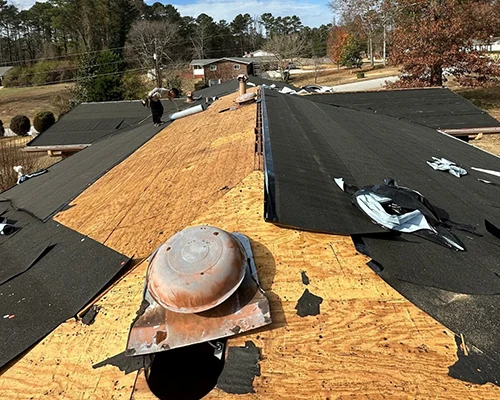
The most popular roofing material because it is cheap and easy to install. However, they are becoming less popular as people become more conscious of their limitations.
Most Significant Weaknesses:
Short Lifespan (12–20 years): Even shorter during extreme weather conditions.
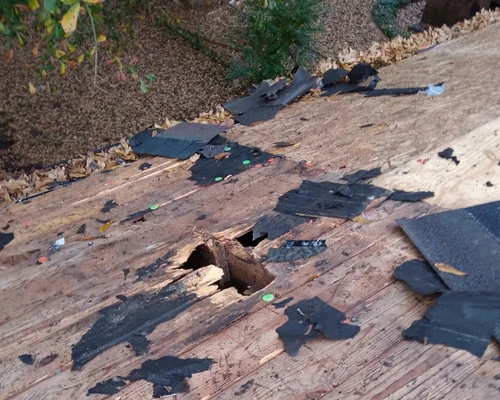
Susceptible to Weather Damage: Cracking, warping, and loss of granules are typical.
Heats Up: Puts more money into cooling your home in hot climates.
Unfriendly to the Environment: Millions of tons wind up in landfills annually.
Best for short-term or cost-roofing projects — but certainly not the best for long-term value.
Wood Shingles and Shakes
Wood roofing provides Rustic curb appeal, but beauty is in the maintenance.
Most Significant Drawbacks:
High Risk of Fires unless treated.
Ongoing Maintenance: Requires frequent treatments to prevent rot and pests.
Moisture Damage: Can mold, warp, or rot in warm, humid environments.
Inconsistent Appearance Over Time: Weathering can be uneven.
Attractive but high maintenance and ill-suited to most climates.
Clay and Concrete Tiles
Mediterranean-style home owners love tile roofing for its distinctive appearance—but pay a price.
Primary Drawbacks:
Very Heavy: Typically requires structural support.
Fragile: Breaks easily by impact or foot traffic.
High Maintenance: Sealing and repair are costly.
Color Fading: Long-term exposure to UV dulls the finish.
Good-looking, but weight and breakability make it impractical for most households.
How Metal Roofing Compares
Metal roofing is rapidly becoming the go-to choice of homeowners for durability, weather tightness, and cost-effectiveness in the long run. All metal roofs, however, are not the same.
Let’s have a quick overview of the differences.
Downsides of Aluminum and Copper Roofs
Color Fading: Especially with aluminum.
Misconception About Noise: Old metal roofs clattered, but modern systems (like DECRA) are engineered with noise-absorbing technology and are quieter than you think.
Disadvantages of Stone-Coated Steel Roofs
Higher Initial Expense: A little more expensive than asphalt or wood—but a whole lot cheaper in the long term.
The disadvantages are insignificant compared to the long-term benefits. Let’s examine them up close.
Advantages of Stone-Coated Metal Roofing
Stone-coated metal roofing like DECRA offers unmatched durability and performance in nearly every regard.
Below are the reasons why homeowners are switching:
Lasts 40–80 Years — double that of asphalt.
Impact Resistant: Warrantied against hail up to 2.5 inches.
Hurricane-Tested: Meets HVHZ requirements (including Broward & Dade Counties), and offers wind protection up to 120 mph.
Fire Safe: Class 4 fire rating — best offered.
Lightweight Yet Strong: No need for extra support structure; ideal even in earthquake zones.
Monetary & Energy-Saving Advantages
Reradiates Heat Instead of Absorbing It: Up to 40% savings on cooling costs.
Minimal Repair: No frequent repairing or sealing.
Insurance Premium Discounts Offered: As a result of less damage risk.
Adds Home Value: Can increase resale value by 6%, with 60–85% payback on installation.
Final Thought: From a comparison of roofing material in lifespan, performance, and long-term worth, stone-coated metal roofing clearly outshines asphalt, wood, tile, and even other metal roofs.